

A Personal Experience That Opened My Eyes
The first time I heard the word glaucoma was when I was in high school.
At the time, I served as the house prefect of my dormitory. It was examination week, and students were eager to get extra time at night to revise their notes. As someone who strongly believed in discipline and following the rules, I insisted that the dormitory lights be switched off promptly at 10:00 p.m.
Many students protested, explaining that they needed more time to study. I remained firm and suggested they use flashlights if they wished to continue reading after lights out.
Then one student said something that stopped me in my tracks.
“I have glaucoma,” he said quietly. “My vision is already very poor. Reading in the dark is difficult enough, and a flashlight doesn’t make it much easier.”
For a moment, I didn’t know what to say.
I had never heard the word glaucoma before. I didn’t understand the condition, but I knew it must be something very serious to render a young person my age this vulnerable. I felt an immediate sense of sadness. I wanted to ask more questions and understand her condition, but I couldn’t bring myself to do so. Without saying another word, I left the lights on.
Years later, that moment remains vivid in my memory. It was my first real encounter with how serious and life-changing eye diseases can be, especially conditions like glaucoma that develop silently over time.
What Is Glaucoma?
Glaucoma is a group of eye diseases that damage the optic nerve, the vital structure responsible for carrying visual information from the eye to the brain.
This damage is often associated with increased pressure inside the eye, although glaucoma can also occur in people whose eye pressure is within the normal range.
The most important fact to remember is this:
Vision loss caused by glaucoma is permanent, but if detected early can be treated.

Can You Tell If You Have Glaucoma?
I wish I could use this section to list five warning signs that tell you you’re developing glaucoma. That would make life much easier for eye care professionals, and much safer for millions of people.
Unfortunately, glaucoma doesn’t work that way.
In most cases, there are no obvious signs or symptoms in the early stages. No pain. No redness. No sudden changes in vision that would immediately alert you that something is wrong.
This is precisely why glaucoma has earned the nickname the silent thief of sight.
The disease gradually damages the optic nerve and often affects your peripheral (side) vision first. Because this process happens slowly, most people don’t notice any changes until significant damage has already occurred.
By the time many people realize something is wrong, their central vision may already be at risk, and the vision loss that has occurred cannot be reversed.
This is why routine eye examinations are so important.
A comprehensive eye examination can detect glaucoma long before you notice any symptoms, allowing treatment to begin early and helping to preserve your sight for years to come.
When it comes to glaucoma, early detection isn’t just beneficial but sight-saving.
Types of Glaucoma
1. Open-Angle Glaucoma
This is the most common form of glaucoma. It develops slowly and painlessly, often without any warning signs.
2. Normal-Tension Glaucoma
In this form of glaucoma, optic nerve damage occurs despite eye pressure remaining within the normal range.
3. Congenital Glaucoma
A rare condition that affects infants and young children and is usually present at birth.
2. Angle-Closure Glaucoma
This type can occur suddenly and requires immediate medical attention.
Symptoms may include:
- Severe eye pain
- Headache
- Blurred vision
- Nausea and vomiting
- Seeing halos around lights
Who Is at Risk?
You may be at a higher risk of developing glaucoma if you:
- Are over 40 years old
- Have a family history of glaucoma
- Have diabetes
- Have high blood pressure
- Have high eye pressure
- Have had previous eye injuries
- Use steroid medications for a long period
Having one or more of these risk factors does not mean you will definitely develop glaucoma, but it does mean regular eye examinations are especially important.
The Importance of Early Detection
The story I experienced in high school has stayed with me because it reflects a reality many people face: vision loss often begins quietly.
Glaucoma does not wait until it becomes noticeable. By the time symptoms appear, damage may already be permanent.
This is why regular eye examinations are essential, even when your vision feels perfectly normal.
During a comprehensive eye examination, several tests are performed to detect glaucoma and other eye conditions early. Your eye pressure is measured to determine whether it falls within the normal range or is higher than expected. The optic nerve, which looks like a cable that connects the eye to the brain and carries visual information is carefully assessed for any signs of damage. In addition, specialized scans and tests are performed to evaluate the health of the optic nerve and measure how well it is functioning.
These examinations can identify glaucoma long before you notice any changes in your vision, allowing treatment to begin early and helping to prevent irreversible sight loss.
One simple habit I always recommend is that you schedule an eye examination around your birthday each year. By making your birthday your annual reminder for an eye check-up, you increase your chances of detecting glaucoma and other eye conditions before they threaten your vision.
After all, one eye examination a year could make the difference between preserving your sight and losing it.
Treatment Options
Although vision already lost to glaucoma cannot be restored, treatment can help preserve the vision that remains and slow further damage.
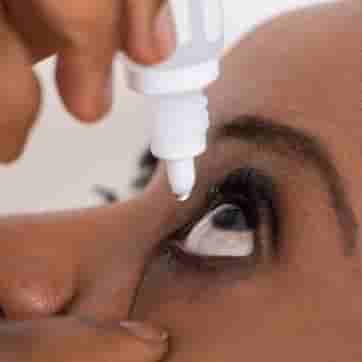
Eye Drops
Prescription eye drops help lower eye pressure and reduce the risk of disease progression.
Medications
In some cases, oral medications may be used alongside eye drops to better control eye pressure.
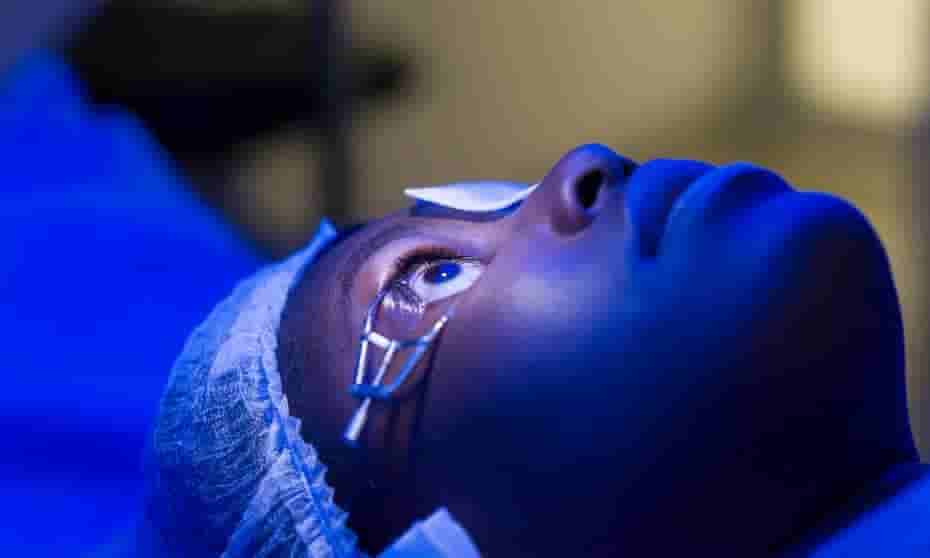
Laser Treatment
Laser procedures can improve fluid drainage within the eye and help reduce pressure.
Surgery
For advanced or difficult-to-control cases, surgery may be recommended to protect the optic nerve from further damage.
Visit Rods and Cones Eye Care Service
At Rods and Cones Eye Care Service, we are committed to protecting your vision through comprehensive eye examinations, early disease detection, and personalized eye care.
You can visit any of our branches in Kumasi:
📍 Ahodwo |0207792229 | 0597056080
📍 Asokwa |0322493390 | 0554944644
📍 Tanoso |0322499247 | 0543329262
Whether you are experiencing symptoms or simply due for a routine eye examination, our dedicated team is here to help.
Final Thoughts
Glaucoma is one of the leading causes of preventable blindness, yet many people do not know they have it until significant damage has occurred.
The good news is that early detection can make all the difference.
Don’t wait until you notice a problem.
Book your comprehensive eye examination today and take a proactive step toward protecting your sight for the future.
Remember: Make your birthday your eye check-up day. Your future self will thank you for it.