
Causes of Blurry Vision: 9 Possible Reasons You Should Know
You are reading a message on your phone and the words look soft around the edges. Or you are driving home at dusk and road signs you could read last year now look smudged. Most people shrug and blame tiredness. Sometimes that is exactly right. Sometimes it is not.
The causes of blurry vision range from a glasses prescription that needs updating to conditions that can permanently damage sight if they are missed. This guide explains nine possible causes, the symptoms that often come with each, and the warning signs that mean you should seek emergency care instead of waiting for a routine appointment.
The Short Answer: Why Is My Vision Blurry?
Blurry vision has many possible causes, and the cause cannot be identified from symptoms alone. Uncorrected refractive error, which simply means glasses are needed, is one of the leading causes of vision problems worldwide, according to the World Health Organization. Dry eye, cataracts and tired eyes from close work are also very common. Less often, blurring is the first sign of glaucoma, diabetic eye disease, macular degeneration, retinal detachment, a corneal infection, or a problem elsewhere in the body.
Three details help an eye doctor most: how quickly the blur came on, whether it affects one eye or both, and whether anything else came with it, such as pain, redness, flashes or headache. Those details are explained throughout this article.
What Does Blurry Vision Mean?
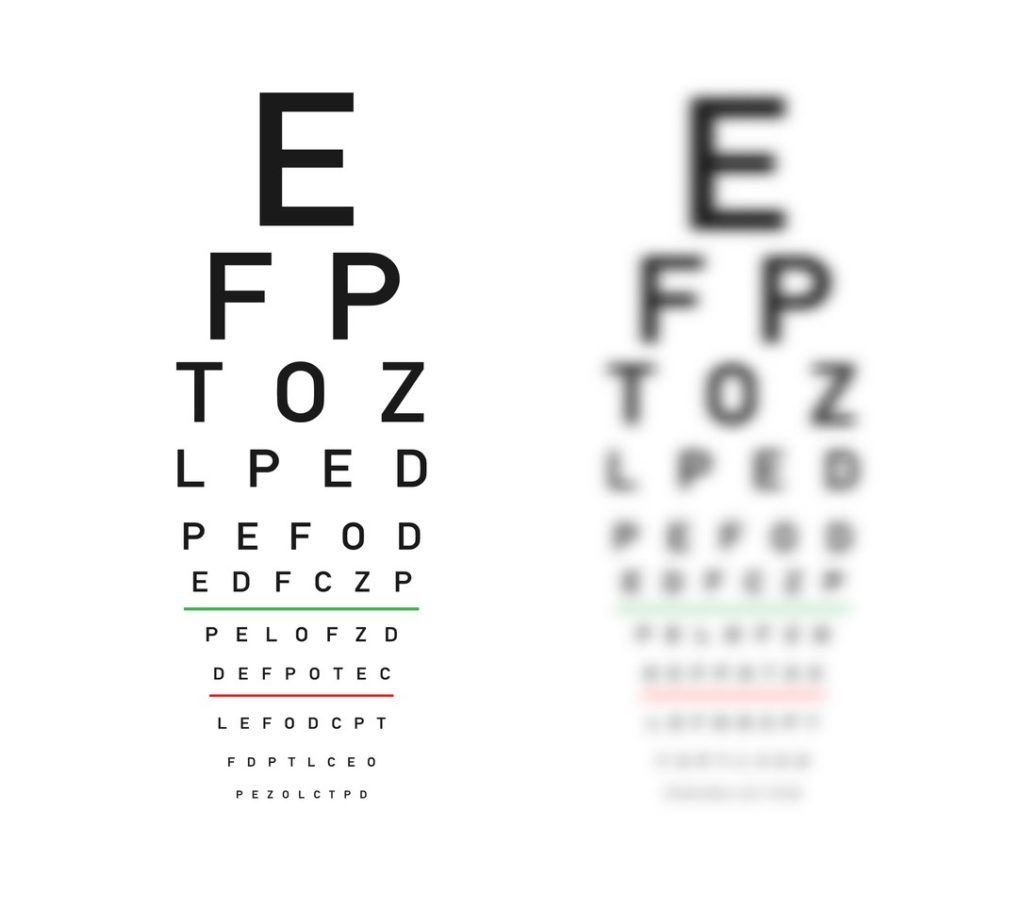
Blurry vision means things look out of focus or less sharp than they should, as if you were looking through a smudged window. It is different from some other visual problems that people sometimes describe the same way:
- Sudden vision loss is a marked drop in vision, or a dark area that appears over minutes or hours.
- Distortion is when straight lines look wavy or bent.
- Floaters and flashes are drifting spots or brief sparks of light.
- Double vision is seeing two images of one object.
It also helps to separate blur by pattern. Temporary blur clears within minutes, for example after a long stretch of reading or after blinking. Persistent blur stays. Progressive blur slowly worsens over weeks or months. Sudden blur appears quickly and may signal an emergency.
If blur affects only one eye, you may not notice at first because the better eye compensates. A simple check is to cover each eye in turn and compare. A new difference between the eyes is worth reporting to an eye-care professional.
Causes of Blurry Vision: 9 Possibilities Explained
Below, each cause is described with how it affects vision, what else may come with it, who is at greater risk, and how it is usually assessed and managed. Many of these conditions look alike from the outside. Only a proper examination can tell them apart, so blurry vision causes and treatment always depend on the individual diagnosis.
1. Refractive Errors: Short-Sightedness, Long-Sightedness and Astigmatism

Picture a secondary school pupil in Kumasi who keeps copying from a friend’s exercise book because the board looks smeared. Teachers may think he is distracted. In reality, he may simply need glasses.
Refractive errors happen when the eye does not bend light precisely onto the retina, the light-sensing layer at the back of the eye. In short-sightedness (myopia), distant objects look blurry while near objects stay clear. In long-sightedness (hyperopia), near tasks blur, especially when tired, although young people can sometimes focus through the problem and only notice headaches. Astigmatism comes from an uneven curve of the front of the eye or the lens and causes blur or distortion at all distances. Presbyopia, the normal stiffening of the lens that usually starts in the 40s, is why many adults begin holding menus and phones farther away.
Other symptoms include squinting, headaches and tired eyes. Vision that sharpens when you squint or look through a tiny hole often points towards a refractive cause, although that is a clue and not a diagnosis.
Who is at higher risk: people with a family history of glasses use, children in their school years (when short-sightedness often develops), and everyone over about 40. Studies have linked very little time outdoors in childhood with a higher chance of short-sightedness.
Assessment and management: an eye test measures how sharply each eye sees and which lenses give the clearest vision, and the examiner also checks that the eye is healthy. Glasses and contact lenses are the usual treatment. Some suitable adults consider laser surgery, and children whose short-sightedness is progressing may be offered specific control options after assessment. Wearing the wrong prescription does not automatically damage the eyes, but it can cause blur, strain and headaches, and an outdated prescription that no longer gives clear vision can be a clue that something else is going on.
2. Cataracts
A cataract is a clouding of the eye’s natural lens. It usually develops slowly and painlessly, causing hazy or blurry vision, glare and halos around lights at night, and faded colours. It becomes more likely with age, diabetes, long-term steroid use and past eye injury.
Cataracts are one of the most common causes of blurry vision, so we have covered them in depth, including causes, diagnosis and treatment, in our [complete guide to cataracts]. If your vision has become hazy and you are not sure why, an eye examination can show whether a cataract or something else is responsible.
3. Glaucoma
Glaucoma is a group of eye conditions that damage the optic nerve and can lead to permanent vision loss if left untreated. It often develops without noticeable symptoms in its early stages, making regular comprehensive eye examinations essential for early detection and management.
Although vision lost to glaucoma cannot usually be restored, appropriate treatment can help slow or prevent further damage.
Learn more: Read our detailed guide on [Glaucoma] to understand the condition, its risk factors, and available treatment options.
4. Diabetic Retinopathy
Diabetic retinopathy is an eye condition caused by damage to the blood vessels in the retina due to diabetes. It may develop without noticeable symptoms in its early stages, but if left untreated, it can lead to serious vision problems or permanent vision loss. Regular diabetic eye examinations are essential for early detection and proper management. Learn more about Diabetic Retinopathy in our detailed guide on it
5. Age-Related Macular Degeneration
The macula is the small central area of the retina that gives sharp, detailed vision for reading, recognising faces and threading a needle. In age-related macular degeneration (AMD), it gradually deteriorates. The dry form usually causes slow loss of clarity. The wet form, in which abnormal vessels leak, can cause faster changes such as wavy lines or a dark spot in the centre. Side vision is usually preserved.
Who is at higher risk: people over 50, smokers, people with a family history of AMD, and people with cardiovascular disease.
Assessment and management: the clinician checks central vision, may use an Amsler grid (a small square of straight lines) to look for distortion, examines the macula after dilating the pupils, and often uses a scan to see its layers. Wet AMD is treated with injections that reduce leaking vessels, and earlier treatment gives better results, so new distortion needs prompt assessment. Dry AMD has no cure, but monitoring, stopping smoking and low-vision support help. In certain stages, specialists recommend specific supplement formulas. Do not start supplements without that advice.
6. Retinal Detachment
A short-sighted man in his fifties notices a sudden shower of new floaters in one eye, then flashes, then a grey shadow creeping in from the side. He has no pain at all, which makes it easy to delay. It should not be delayed.
Retinal detachment happens when the retina pulls away from the back wall of the eye. It usually begins as a tear. Warning signs include a sudden increase in floaters, flashes of light, a dark curtain or shadow across vision, and blurred vision, usually in one eye. NHS guidance notes that the condition needs quick treatment to stop it permanently affecting sight.
Who is at higher risk: people with high short-sightedness, previous cataract surgery, a previous eye injury, a previous detachment in either eye, or a family history of detachment. Most cases occur when the eye’s inner gel naturally separates with age, and the NHS notes there is nothing a person can do to prevent that.
Assessment and management: a dilated retinal examination shows tears or detachment. Tears can often be sealed with laser or freezing treatment. A detached retina needs surgery. This is an emergency, as described below.
7. Corneal Conditions and Infections, Including Keratitis and Corneal Ulcers
The cornea is the clear front window of the eye. Keratitis means inflammation of the cornea, and it may be caused by bacteria, viruses (including herpes simplex), fungi or other organisms. A corneal ulcer is an open sore in the cornea, usually from infection. Because the cornea must be clear to focus light, even a small ulcer can blur vision. Other signs are pain, redness, watering or discharge, a feeling that something is in the eye, light sensitivity and sometimes a white or grey spot on the cornea. Another corneal condition, keratoconus, causes the cornea to thin and bulge, producing distorted vision that glasses may not fully correct.
Who is at higher risk: contact lens wearers (especially those who sleep in lenses or use poor hygiene), people with eye injuries (particularly from plant material), people with dry eye or a history of herpes eye infection, and people who use steroid drops or put unprescribed substances in the eye.
Assessment and management: the clinician examines the cornea under magnification, usually with a dye, and may take a sample from the ulcer to identify the germ. Treatment depends on the cause and often involves frequent medicated drops. Severe scarring can permanently reduce vision, so see a clinician promptly, ideally the same day. Never use leftover or borrowed drops, and never use steroid drops without an examination, because they can worsen some infections.
8. Eye Strain and Focusing Difficulties From Prolonged Screen Use
Digital eye strain happens when the focusing muscles work hard at close range for long periods and we blink less. Typical features are tired or sore eyes, dry eyes, temporary blur, headaches, and neck and shoulder tension. It usually eases with rest. Screens are not always the culprit, though. Long sessions of near work can reveal an uncorrected refractive error, early presbyopia, or a problem with the two eyes working together. As far as current evidence shows, screens themselves do not cause lasting damage to the eyes.
Who is at higher risk: people who spend many hours at near tasks, those with uncorrected vision problems, people over 40, people with dry eye, and those working in poor lighting or with glare.
Assessment and management: the clinician checks the prescription, near focusing and eye teaming, and looks for dry eye. Management includes correcting the prescription, taking regular breaks, and adjusting lighting and screen position. A well-known habit is the 20-20-20 rule: every 20 minutes, look at something about 20 feet (6 metres) away for 20 seconds. Consciously blinking helps too. If blur does not clear after rest, or happens at other times of day, do not assume it is just screens.
9. Other Medical Causes: Medicines, Migraine, Blood Pressure, Pregnancy and Neurological Conditions
Sometimes the answer lies outside the eye.
- Medicines: steroids, some allergy and bladder medicines, and certain medicines for tuberculosis, arthritis, lupus and heart rhythm can affect vision. Never stop a prescribed medicine on your own. Tell your doctor about the blur.
- Migraine aura: shimmering zigzag lines or a blind spot that builds over minutes and fades within about an hour, sometimes followed by headache. A first-ever episode or an unusual one still needs medical assessment, since other conditions can look similar.
- High blood pressure: it can damage the retina’s blood vessels or block a retinal vein or artery, causing blur or sudden loss.
- Pregnancy: blurred vision with a severe headache or swelling can be a sign of pre-eclampsia and needs same-day medical attention.
- Neurological conditions: optic neuritis (inflammation of the optic nerve) can cause dim or blurry vision, washed-out colours and pain on eye movement, and is sometimes linked to conditions such as multiple sclerosis. A stroke or transient ischaemic attack can cause sudden blur, double vision or loss of sight. Pressure on the optic nerve or visual pathways in the brain can also be responsible.
Assessment and management: the eye examination looks for clues, and the clinician may check blood pressure and blood sugar or refer to a physician or neurologist for further tests such as brain imaging. Treatment depends on the underlying cause.
When Is Blurry Vision a Medical Emergency?
Go to the nearest hospital emergency department or emergency eye service immediately if you have any of the following:
- Sudden loss or a marked drop in vision, even in one eye only.
- New flashes of light, a sudden increase in floaters, or a curtain-like shadow across your vision.
- Blurry vision with severe eye pain, a red eye, halos around lights, nausea or vomiting.
- Vision changes with sudden weakness, facial drooping, difficulty speaking, or other possible stroke symptoms.
Do not wait for a routine appointment, and do not wait for the symptoms to go away. Ask someone to accompany you rather than driving yourself. Do not put drops, herbal preparations or other home remedies in the eye in the meantime. Tell the medical team exactly when the symptoms began.
Some situations are not always emergencies but still need assessment as soon as possible, ideally the same day: a red, painful eye with light sensitivity, an eye injury, new wavy or distorted lines, or new blur in a person with diabetes.
Frequently Asked Questions
What are the most common causes of blurry vision? Refractive errors (the need for glasses) are the most common, followed by dry eye, eye strain and, in older adults, cataracts. Serious causes such as glaucoma, diabetic retinopathy and retinal problems are less common but important because they can cause permanent damage.
Why is my vision suddenly blurry? Causes range from a swing in blood sugar to an eye emergency or stroke. If it comes with pain, flashes, a curtain over vision, one-sided loss, or weakness or speech difficulty, seek emergency care immediately.
Can blurry vision be caused by diabetes? Yes. Blood sugar swings can temporarily change focus, and long-term diabetes can damage the retina. Diabetes also raises the risk of cataract and glaucoma. A dilated eye examination is the way to check.
Can blurry vision go away on its own? Sometimes, for example tired eyes, mild dry eye or a migraine aura. But blur that lasts, returns often, or worsens should be examined, because some serious conditions begin quietly and early treatment protects vision best.
When should I see an eye doctor for blurry vision? Seek emergency care for the warning signs above. Arrange an eye examination soon if blur lasts more than a day or two, keeps coming back, worsens gradually, affects one eye, or if you have diabetes or high blood pressure.
Why is the blur in only one eye? Blurred vision in one eye can come from problems in that eye, such as a cataract, a corneal problem, or a retinal condition, as well as from some problems in the optic nerve or brain. It needs assessment, and sudden onset needs emergency care.
Can wearing the wrong glasses damage my eyes? Wrong glasses do not automatically damage the eyes, but they can cause blur, headaches and strain, and an old prescription can hide other problems.
Conclusion
The causes of blurry vision are wide-ranging, from a simple change in prescription to eye diseases and conditions elsewhere in the body that threaten sight. Symptoms alone cannot tell them apart, and treatment depends entirely on the cause, which is why guessing or self-medicating is risky.
If you notice persistent, recurring or gradually worsening blurry vision, or you have diabetes, high blood pressure, a family history of eye disease, or you are over 40, arrange a professional eye examination. Rods & Cones Eye Care Services is an eye clinic in Kumasi, Ghana, with branches at Ahodwo, Asokwa and Tanoso, and our team can assess your eyes and explain what they find.