
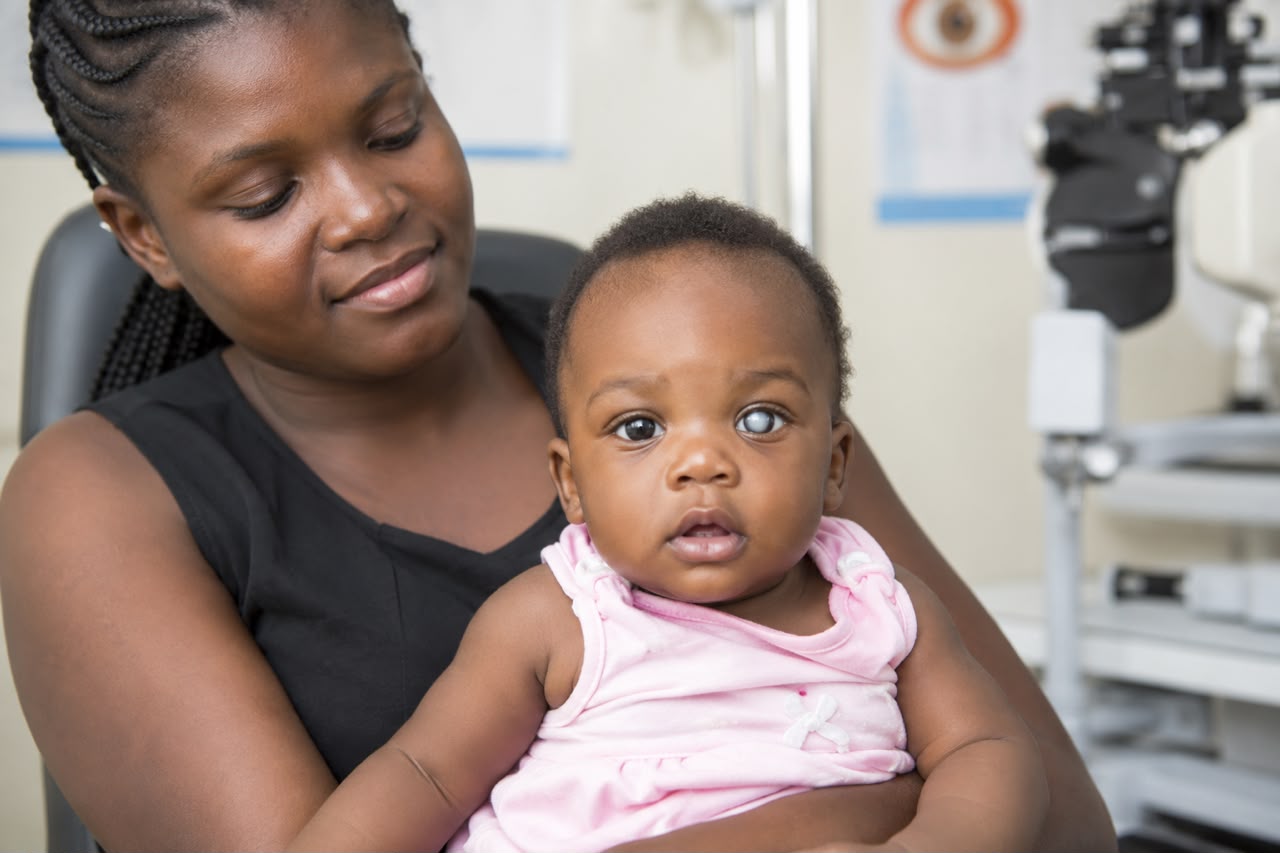
“Your child may not complain,not because they see clearly, but because they believe everyone sees the world the way they do.”
As parents, we carefully monitor our children’s health by ensuring they receive routine medical check-ups and vaccinations. However, one area that is often overlooked is eye health. Many parents assume that if their child is not complaining about their vision, then everything is fine. Unfortunately, this is not always the case. Many childhood eye conditions develop gradually and may not show obvious signs until they have already begun affecting a child’s learning, development, and quality of life.
In many cases, the signs are there, but children simply don’t know how to explain what they are experiencing. A child who has had blurry vision, poor focusing, or other visual disturbances since birth may believe that this is how everyone sees the world. Because they have never experienced normal vision, they cannot tell the difference between what is normal and what is not. Rather than complaining, they simply adapt to their surroundings and continue with everyday activities, unaware that they may have an underlying eye condition.
This is why parents should never wait until a child is old enough to complain about vision problems before scheduling an eye examination. Many childhood eye conditions can only be detected through a comprehensive eye examination, long before a child realizes or expresses that something is wrong. Early detection allows for timely treatment, helping to prevent long-term vision problems and supporting healthy visual development.
Why Early Eye Examinations Matter
Vision plays a vital role in how children learn, interact with others, and explore the world around them. In fact, experts estimate that much of a child’s classroom learning is received through their eyes. When vision problems go unnoticed, they can affect reading, writing, concentration, confidence, and even social development. Because children often assume everyone sees the world the same way they do, parents should not rely solely on complaints as an indication of healthy vision. Regular comprehensive eye examinations enable eye care professionals to detect vision problems and eye diseases early, making treatment more effective and giving every child the best opportunity to learn, grow, and thrive
When Should Your Child Have Their First Eye Examination?
A baby’s eyes are usually examined shortly after birth to identify any obvious abnormalities or congenital eye conditions. However, this initial assessment is not a substitute for a comprehensive eye examination.
Eye care professionals recommend that children have their first comprehensive eye examination between 6 and 12 months of age, even if there are no noticeable vision problems. During this examination, the optometrist or ophthalmologist evaluates how the eyes are developing, checks eye alignment and movement, assesses focusing ability, and ensures that the eyes are healthy.
As your child grows, another comprehensive eye examination is recommended at around three years of age. At this stage, many vision problems such as lazy eye (amblyopia), crossed eyes (strabismus), and refractive errors can be detected. Identifying these conditions early greatly increases the chances of successful treatment.
Before your child begins primary school, usually between four and five years of age, another eye examination is essential. Clear vision is fundamental for reading, writing, and participating confidently in classroom activities. An undetected vision problem can easily be mistaken for poor academic performance or lack of concentration when the real issue is that the child simply cannot see clearly.
Once children start school, they should continue to have regular eye examinations every one to two years, or more frequently if recommended by their eye care professional.
Signs Your Child May Need an Eye Examination Sooner
Although routine eye examinations are important, parents should also watch for warning signs that may indicate a child needs immediate attention. If your child frequently squints, sits very close to the television, holds books unusually close, complains of headaches or eye discomfort, rubs their eyes often, tilts their head while reading, or struggles to concentrate in school, these could all be signs of an underlying vision problem. Children who cover one eye when reading or whose eyes appear to drift inward or outward should also be examined promptly by an eye care professional.
Are School Vision Screenings Enough?
Many schools conduct vision screenings, and while these programmes are valuable for identifying children who may have vision problems, they should never replace a comprehensive eye examination. A vision screening typically checks only whether a child can read letters from a distance. A comprehensive eye examination goes much further by assessing eye health, eye coordination, focusing ability, depth perception, and detecting early signs of eye diseases that a simple screening cannot identify.
How Parents Can Help Protect Their Child's Vision
Parents also play an important role in maintaining healthy vision. Encouraging children to spend more time outdoors, limiting prolonged screen time, providing a balanced diet rich in fruits and vegetables, ensuring good lighting while reading, and protecting the eyes during sports are all simple habits that contribute to lifelong eye health. Most importantly, parents should ensure their children attend routine eye examinations even when no symptoms are present.
Your child’s eyesight is one of their most valuable assets. Regular eye examinations help ensure that any vision problems are detected and treated early, allowing children to learn confidently, perform well academically, and enjoy everyday life without unnecessary visual limitations.
At Rods & Cones Eyecare Services, we provide comprehensive children’s eye examinations using modern diagnostic technology in a warm and child-friendly environment. Our experienced team is committed to helping every child achieve the best possible vision through early detection, accurate diagnosis, and personalized care.