

“I Thought It Was Just Old Age”
According to the World Health Organization (WHO), cataract remains one of the leading causes of blindness and visual impairment worldwide. Across Africa, cataracts account for a significant proportion of blindness, and
research has also shown that congenital cataracts are a major cause of childhood blindness.
These are not just statistics. They represent millions of people whose lives and independence are affected by a condition that is often treatable.
Sadly, many of us have grown up believing that losing your sight is simply a normal part of getting old.
I remember going for an eye examination when I was younger. During the consultation, the doctor asked whether there was any history of blindness in my family. Without hesitation, I answered, “No.”
A few moments later, I remembered my grandfather.
At the time, he was about 95 years old and had almost completely lost his sight because of cataracts. Yet, it never crossed my mind that he was blind because of a medical condition. Like many people, I simply believed that poor vision was something that naturally happened when people grew old.
Years later, I came to understand that cataracts are not just a sign of aging, they are a treatable eye condition.
Many families watch their elderly loved ones struggle with poor vision, believing there is nothing that can be done. They stop reading, stop recognizing faces from a distance, stop moving around confidently, and gradually lose a measure of their independence. But it doesn’t have to be that way.
In many cases, the problem is cataract which can be detected early and successfully treated.
The greatest danger of cataracts is not only the condition itself but the misconception that blindness is an unavoidable part of aging.
It isn’t.
And that is exactly why we need to talk about it.
What Is a Cataract?
A cataract is the clouding of the eye’s natural lens. Under normal conditions, this lens is clear and helps focus light onto the retina, allowing us to see clearly. As we grow older, the proteins that make up the lens can gradually break down and clump together, causing it to lose its transparency. The result is a gradual decline in vision, almost as though you are trying to look through a window that is slowly becoming covered with fog.
At first, the change may be subtle, but over time everyday activities such as reading, driving, watching television, and recognizing faces can become increasingly difficult.
Congenital Cataract: Cataracts Are Not Only for the Elderly
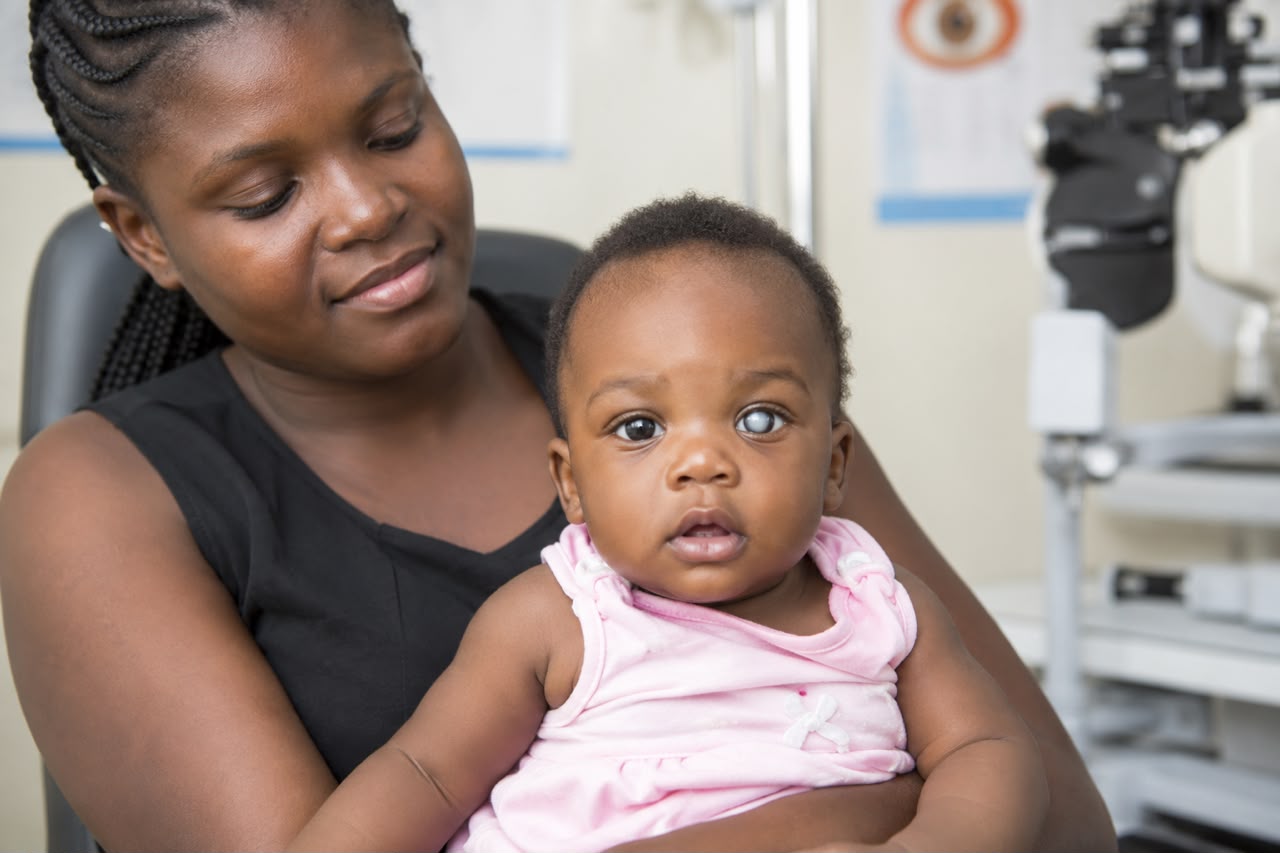
When most people hear the word cataract, they immediately think of old age. However, cataracts can also affect babies and young children. This condition, known as congenital cataract, occurs when a child is born with a cloudy lens or develops one during early childhood. It may affect one eye or both eyes and can result from genetic factors, infections during pregnancy, certain metabolic disorders, or may occur without any identifiable cause. Parents may notice a white or gray spot in the pupil, unusual eye movements, poor response to visual stimuli, or a squint (crossed eyes). Because a child’s visual system is still developing, untreated congenital cataracts can lead to permanent vision loss or lazy eye (amblyopia). Early diagnosis and timely treatment are therefore essential, making routine eye examinations for children just as important as they are for adults.
What Causes Cataracts?
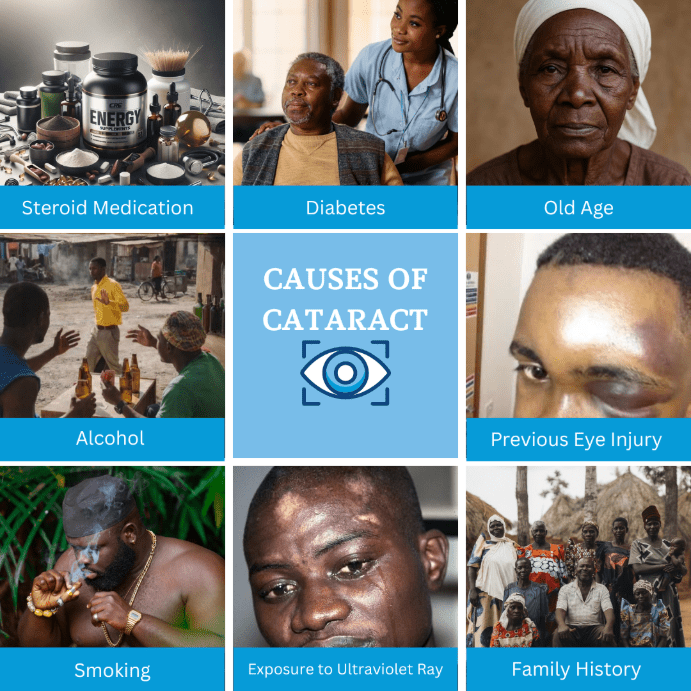
Although aging is the most common cause of cataracts, it is not the only one. Certain medical conditions, particularly diabetes, can increase the likelihood of developing cataracts earlier in life. Long-term use of steroid medications, previous eye injuries, or past eye surgeries may also contribute to the development of the condition. Lifestyle factors such as smoking, excessive alcohol consumption, and prolonged exposure to ultraviolet (UV) rays from the sun have also been linked to cataracts. In some cases, cataracts may run in families, while others are present at birth, a condition known as congenital cataract.
Understanding these causes helps us appreciate that cataracts are not simply an unavoidable consequence of aging but a medical condition influenced by a variety of factors.
Signs and Symptoms of Cataracts
One of the reasons cataracts are often ignored is that they usually develop very slowly. The changes in vision can be so gradual that many people simply adapt to them without realizing what is happening.
They may notice that their vision has become blurry or cloudy, that reading requires brighter light, or that driving at night has become more challenging because of glare from oncoming headlights. Colours may appear faded or slightly yellow, halos may develop around lights, and some people find themselves changing their glasses prescription more often than usual. Others may experience double vision in one eye.
Because these symptoms often progress gradually, many people assume they simply need stronger glasses when, in reality, a cataract may be developing.
Who Is at Risk?
Although anyone can develop cataracts, certain factors can significantly increase the risk. The likelihood of developing cataracts rises with age, particularly after the age of 60, but younger people are not completely exempt. Individuals living with diabetes are more likely to develop cataracts earlier in life, while people who smoke or spend long hours in the sun without adequate eye protection may also be at greater risk. Long-term use of steroid medications, previous eye injuries or surgeries, and a family history of cataracts can further increase the chances of developing the condition.
Understanding these risk factors is important because it allows people to take preventive measures and seek regular eye examinations before cataracts begin to interfere with their daily lives.
How Are Cataracts Diagnosed?
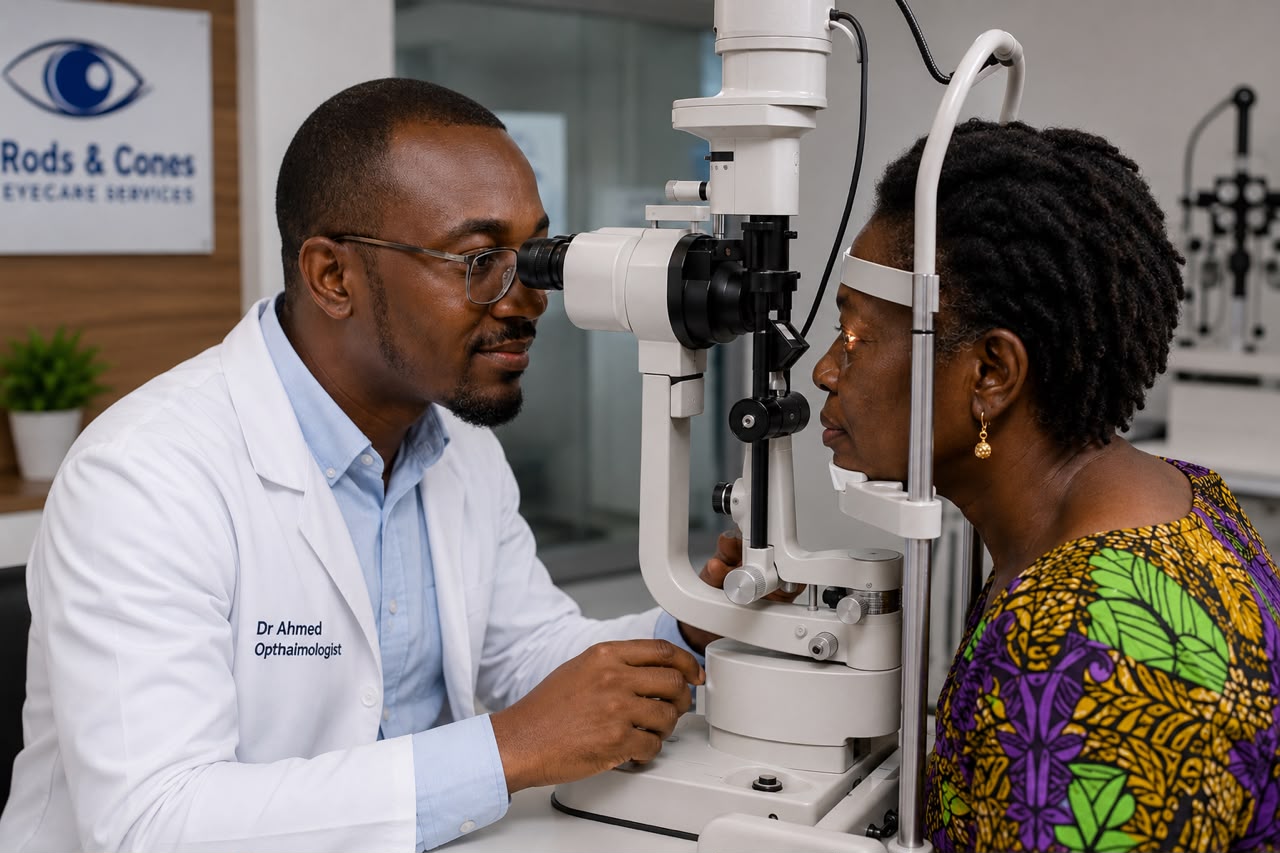
A cataract can only be properly diagnosed through a comprehensive eye examination. During the assessment, your eye care professional will evaluate how clearly you can see and carefully examine both the front and back parts of your eyes. The natural lens will be assessed to determine whether any clouding is present, and your pupils may be dilated to allow a more detailed examination of the retina and other internal structures of the eye.
These examinations not only confirm the presence of cataracts but also help identify other eye conditions that could affect your vision. Regular eye examinations make it possible to detect cataracts before they begin to significantly interfere with your daily activities.
Can Cataracts Be Treated?
The simple answer is yes.
In the early stages, better lighting or an updated pair of glasses may improve vision. However, as the cataract becomes denser, these temporary measures may no longer provide adequate help.
When cataracts begin to interfere with daily life, surgery may be recommended. During cataract surgery, the cloudy natural lens is removed and replaced with a clear artificial lens known as an intraocular lens (IOL). It is one of the most commonly performed and successful surgical procedures in the world, helping millions of people regain clearer vision and return to their normal activities.
One of the biggest myths surrounding cataracts is that they must become “ripe” before surgery can be performed. Modern eye care has changed this approach, and many people can benefit from treatment before their vision becomes severely impaired.
The Importance of Early Detection
One of the biggest mistakes people make is waiting until they can barely see before seeking help.
The earlier cataracts are detected, the easier it is for eye care professionals to monitor the condition and recommend the right treatment at the right time.
A comprehensive eye examination does more than determine whether you need glasses. It can detect cataracts and many other eye diseases before they permanently affect your vision.
One simple recommendation we make is to turn your birthday into your annual eye check-up day.
By connecting your eye examination to a date you will never forget, you create a healthy habit that could protect your sight for years to come.
After all, one eye examination a year could make the difference between preserving your vision and losing it.
Visit Rods and Cones Eye Care Service
At Rods and Cones Eye Care Service, we believe that clear vision is essential for a good quality of life. Our experienced team provides comprehensive eye examinations, cataract assessments, and professional guidance to help you make informed decisions about your eye health.
You can visit any of our branches in Kumasi:
📍 Ahodwo |0207792229 | 0597056080
📍 Asokwa |0322493390 | 0554944644
📍 Tanoso |0322499247 | 0543329262
Final Thoughts
My grandfather’s story taught me an important lesson: we should never assume that blindness is simply a part of growing old.
Many eye conditions, including cataracts, can be detected early and treated effectively.
Do not ignore changes in your vision.
Do not assume that blurry sight is just old age.
And do not wait until everyday activities become difficult.
A simple eye examination today could be the first step toward preserving and even restoring your vision.
Remember: Make your birthday your eye check-up day. Your future self will thank you for it.